

Data governance is a foundational practice for us, guided by care, consistency, and purpose. To us, Data governance is both a science and an art: a science rooted in standards, frameworks, and disciplined processes, and an art shaped by culture, people, and the subtle dynamics of influence.
We demonstrate a deep understanding of data and its governance, grounded in a principled and systematic approach to implementation. Our methodology emphasizes focused stewardship of the most critical information assets, informed by active listening and disciplined inquiry. By asking the right questions at the right time, we ensure that governance outcomes are meaningful to stakeholders, conceptually sound, and operationally simple, thereby supporting clarity, shared understanding, and successful adoption across the organization.
After all, what value does data governance hold if it is implemented but not embraced and adopted? This is where 1lessclick® brings its specialized expertise, offering Data Governance as a focused practice.
Data governance has many definitions, but one stands out to me. It can be understood in two dimensions: implementation and adoption.
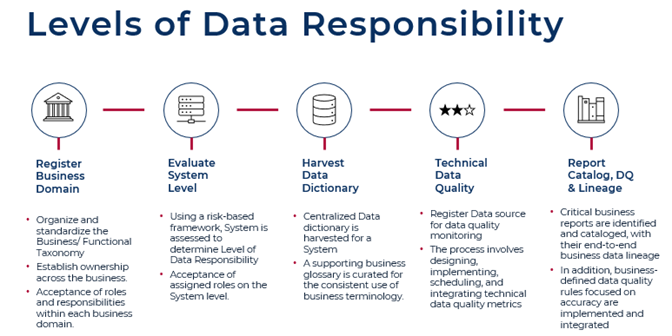
1lessclick® introduces purpose-built Levels of Data Responsibility (LoDR), a comprehensive data governance framework of standards, processes, and controls. LoDR establishes clear data ownership, enhances data quality and integrity, and ensures compliance, enabling organizations to treat data as a valuable asset and make better-informed decisions.
The framework provides practical guidelines and guardrails for implementing data governance, with care for data at its core and execution designed to be effortless. By adopting LoDR, business units can strengthen their focus on data governance, data quality, and data catalog initiatives. Guided by the principle of “less effort, greater impact,” the framework empowers organizations to achieve more with streamlined, effective practices.
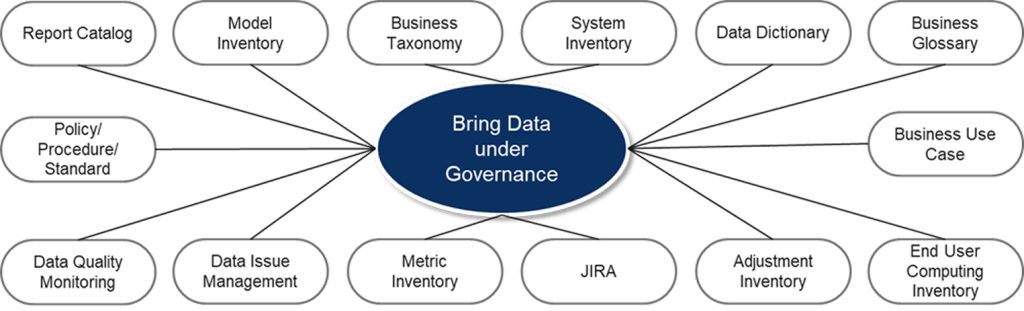
Managing enterprise metadata is just the first step. Assigning clear ownership is the next, but bringing enterprise data fully under governance is the ultimate goal. Our LoDR framework. tested and proven in real-world use cases, operates on seven Principles of Conduct (PoC) and defines five Levels of Data Responsibility, providing a structured path to effective and accountable data governance.
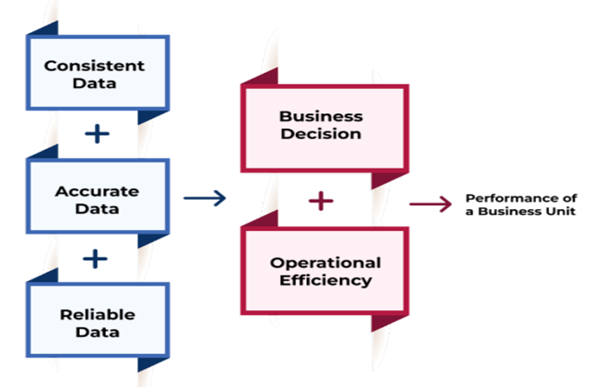
We will establish trust and confidence in data consumers and build partnership and accountability to the data providers. The expectation here is that data is accurate, consistent, and reliable for business decisions.
Our focus is not improving accuracy of the business decisions and increasing operational efficiency.
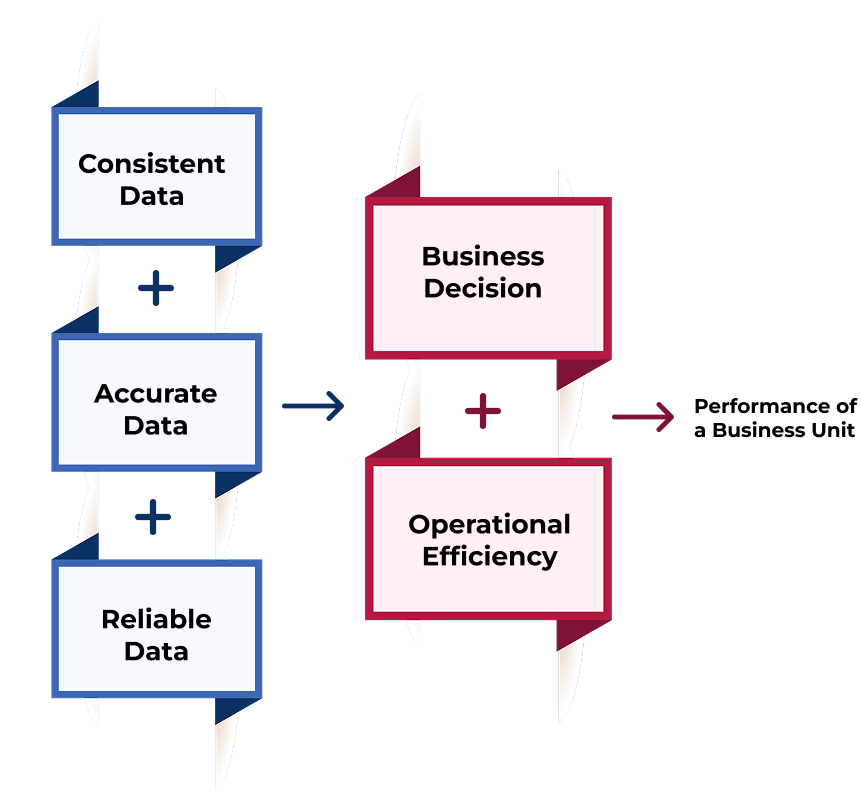
Business Decisions = f (consistent, accurate and reliable enterprise data)
Performance of a Business unit = f (business decisions, operational efficiency).
Data Governance is a collection of practices and processes which help to ensure the formal management of data assets within an organization ~ dama
To ensure that data is well-managed as an enterprise resource. ~ tdan.com
There are complementary goals like reducing the cost and improving operational efficiency.
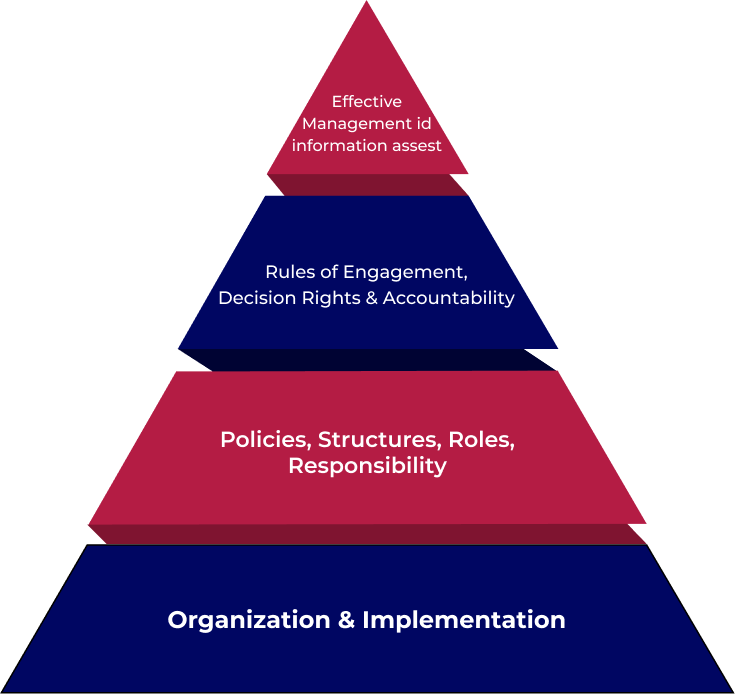
Data Governance is a discipline that provides clear-cut policies, procedures, standards, roles, responsibilities, and accountabilities to ensure that data is well managed as an enterprise resource ~ tdan.com
Governance, she said, is the vessel that organizations can use to take the necessary steps in transforming data into actionable, enterprise-wide insights. ~ VP of business advisor services.
Data Catalog is the foundational piece for organizing and implementing data governance. Policies, standards, and procedures will enforce accountability for the effective governance of enterprise data.
Data Governance is a collection of practices and processes which help to ensure the formal management of data assets within an organization ~ dama
To ensure that data is well-managed as an enterprise resource. ~ tdan.com
Data Governance is a discipline that provides clear-cut policies, procedures, standards, roles, responsibilities, and accountabilities to ensure that data is well managed as an enterprise resource ~ tdan.com
Governance, she said, is the vessel that organizations can use to take the necessary steps in transforming data into actionable, enterprise-wide insights. ~ VP of business advisor services.
Data Catalog is the foundational piece for organizing and implementing data governance. Policies, standards, and procedures will enforce accountability for the effective governance of enterprise data.
Any business goal stands at the cross-section of a customer and product (or service). There are three primary business goals for which business decisions are made.
Increased revenue
Lengthening a customer relationship
Compliance with local and federal laws. This one is violated affects
#1 on penalties and #2 exposes a firm to a reputational risk
There are complementary goals like reducing the cost and improving operational efficiency.
We will establish trust and confidence in data consumers and build partnership and accountability to the data providers. The expectation here is that data is accurate, consistent, and reliable for business decisions. The business user loses the trust in data if the business decision was undertaken is questionable.
Business Decisions = f (consistent, accurate and reliable enterprise data)
Performance of a business unit = f (business decisions, operational efficiency).
he use cases do not always properly define the scope and success criteria for use cases to ensure adequate coverage
The supporting project management is ineffective, there is a lack of accountability, immature tooling, inadequate reporting, insufficient reviews, and it is executed with weaker standards and procedures
The reported progress is also inaccurate and overstates achievements
The process becomes a significant administrative overhead and project management burden
Operating in silos with limited alignment on requirements
Data Governance is a collection of practices and processes which help to ensure the formal management of data assets within an organization ~ dama
To ensure that data is well-managed as an enterprise resource. ~ tdan.com
Data Governance is a discipline that provides clear-cut policies, procedures, standards, roles, responsibilities, and accountabilities to ensure that data is well managed as an enterprise resource ~ tdan.com
Governance, she said, is the vessel that organizations can use to take the necessary steps in transforming data into actionable, enterprise-wide insights. ~ VP of business advisor services.
Data Catalog is the foundational piece for organizing and implementing data governance. Policies, standards, and procedures will enforce accountability for the effective governance of enterprise data.
Data Governance is a collection of practices and processes which help to ensure the formal management of data assets within an organization ~ dama
To ensure that data is well-managed as an enterprise resource. ~ tdan.com
Data Governance is a discipline that provides clear-cut policies, procedures, standards, roles, responsibilities, and accountabilities to ensure that data is well managed as an enterprise resource ~ tdan.com
Governance, she said, is the vessel that organizations can use to take the necessary steps in transforming data into actionable, enterprise-wide insights. ~ VP of business advisor services.
Data Catalog is the foundational piece for organizing and implementing data governance. Policies, standards, and procedures will enforce accountability for the effective governance of enterprise data.