

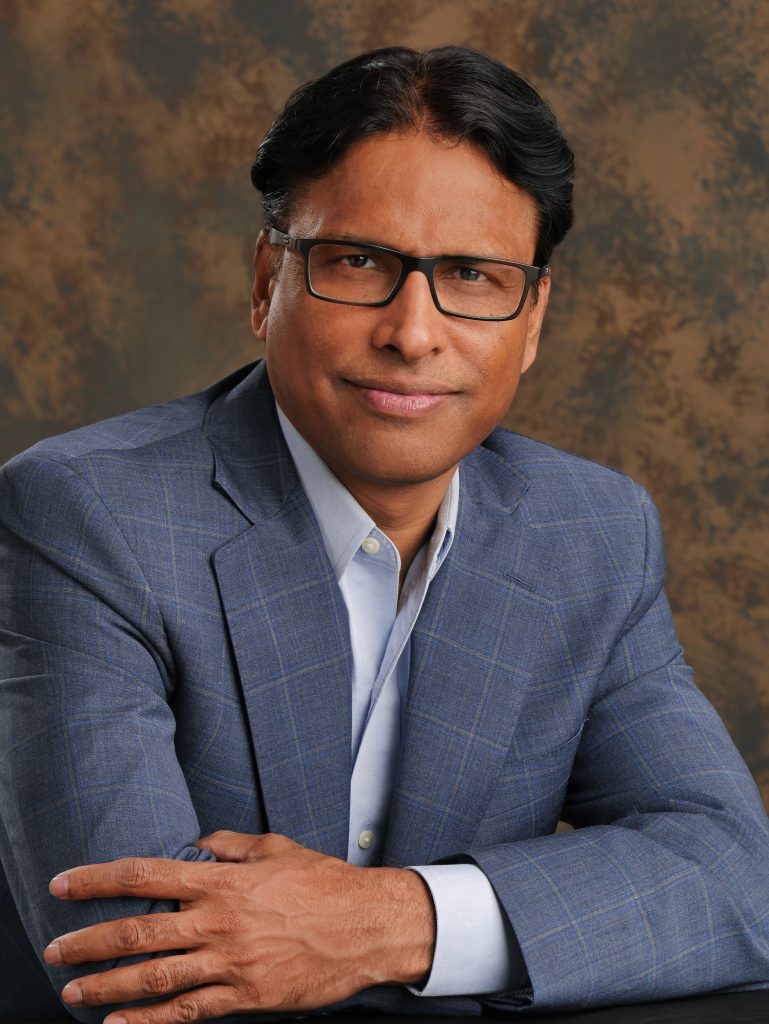
My love of reading began with my father. What first felt like a quiet way to pass the time grew into a lifelong habit, shaped by history, fiction, and biographies. In recent years, my reading has shifted toward AI, wellness, and philosophy. This unexpected turn led me back to the 6th century BC, a time when philosophy was not a niche pursuit but the most sought-after guide to life across civilizations. While I was reading about its history, I came across a striking piece from MIT Sloan Management called “Philosophy Eats AI.” It brought together the very ideas I was weighing and left a strong mark on how I think, inspiring me with new drive in my search of philosophy and its wisdom.
Philosophy isn’t just about reading books or listening to podcasts. It is neither a fountain of knowledge nor a flood of concepts. It is a way of seeing and practicing, transforming knowledge into action. Even debates and disagreements are fruitful because they are driven by the pursuit of truth and the desire for deeper understanding. Philosophy teaches us to see things in new ways and act on what we see. There is a difference between theoretical knowledge and practical knowledge. Theoretical knowledge inquires into what something is, not how or where it arises. The aim for practical knowledge is different. Knowing plans and rules is not enough; the true thinker wants to put them into practice and achieve the goal.
“The ancient philosophers, the Pythagoreans, were the first to use the term philosophia to mean the love of
wisdom for its sake.”
Plato describes genuine philosophers as those for whom the truth is the spectacle of which they are enamored. This means they are interested not just in true or beautiful things but in truth and beauty themselves. Most of us live in a dream-like state. The true philosophers are those who have woken up out of this particular dream.
In “Philosophy Eats AI”, writers Michael Schrage and David Kiron explain that philosophy should guide how Artificial Intelligence is built, trained, used, and put into action. They argue that this guidance is what helps AI create long-lasting business value. Their idea, drawn from a “food chain,” really stood out to me. They say that just as software once ate the world, AI is now eating software, driven by the shift from human coding to machine learning. So, what eats AI? Their answer is clear: Philosophy eats AI.
We all see how Ethics and responsible AI have gained strong attention lately in AI Governance. Ethics has always been part of philosophy. Scholars have started saying that careful, deep thinking in philosophy lays the groundwork for organizations to make wise investments in AI and technology. Philosophy, and the rigor it brings, drives business strategies, technical decisions, and how organizations work. The article “Philosophy Eats AI” stresses that major breakthroughs in computer science and AI have often emerged from deep reflection on the nature of computing, intelligence, language, and mind. Philosophy guides AI from raw potential to true, autonomous capability. As noted earlier, my interest in study of philosophy has increased due to its growing relevance in the era of artificial intelligence and machine learning. This has inspired me to pursue philosophy as part of my professional path, using it to serve the greater good of data and AI governance.
Based on this philosophical background, I present my view of a true philosopher as a practitioner of philosophy. The work of a true philosopher is to use clear reason to uncover deeper truths and to focus on what matters most. In today’s world, a philosopher in us would ensure that choices in business and technology are meaningful, correct, and aligned with human values. Now that we are in the age of AI, a true philosopher fosters a harmonious partnership between human thought and machine intelligence, guided by shared principles behind how data and AI solutions are built and used. They attend to questions of right and wrong, truth and knowledge, the nature of things, and the purpose behind every effort in data, analytics, and AI. More than just following steps, a true thinker acts with care, leaving behind dull tasks to seek outcomes with aim and clear judgment.
But how does 1lessclick® use philosophy?
I believe everyone wants to do the right thing. If we coordinate and work together well, everyone benefits. Deep down, we all know there’s a better way, one that would make everyone happier. But the problem isn’t the solution itself; it’s that we can’t agree on the guiding principles. It’s not just about saying “yes”; it’s about taking collective action at the right time.
Take Data Management as an example. Every part of the process needs to work together, whether it’s acquiring data, enforcing data contracts, setting data quality controls, processing and storing data, running pipelines, detecting anomalies, or ensuring access, privacy, and security standards are met. When all these pieces work in harmony, under the umbrella of Data and AI Governance, the whole system functions for the greater good.
At 1lessclick®, our seven principles of conduct are deeply woven into everything we do. They shape our operating procedures, acting as lighthouses for the successful implementation and adoption of Data and AI Governance.
We are merely consuming information. Philosophy isn’t just about reading books or listening to podcasts. It is neither a fountain of knowledge nor a flood of concepts.
The ancient philosophers Pythagoreans were first to use the term philosphia to mean the love of wisdom for its sake. Plato describes genuine philosophers are those for whom the truth is the spectacle of which they are enamored. This means they are interested not just in true or beautiful things but in truth and beauty themselves. Unphilosophical people live in dream-like state. The true philosophers are those who have woken up out of this particular dream.
There is a difference between theoretical knowledge and practical knowledge. Theoretical knowledge is inquiring what something is and not how or from it arises. The aim for practical knowledge is different. We do not wish to know what bravery is but to be brave. Likewise, 1lessclick do not simply put forth the knowledge to implement Data and AI Governance but to implement it.
Philosophy is a way of seeing and practicing transforming knowledge into action. It encourages seeing things from a different perspective and acting accordingly. Even debates and disagreements are fruitful because they are driven by the pursuit of truth and the desire to gain a deeper understanding. The job of true philosopher is to use rational inquiry to grasp these transcendent realities and focus on the particular interesting ones. Philosophy rejects ready-made answers and slogans. It seeks, questions, and inquires. Stories become thesis, myths turn into ideas, and beliefs transform into coherent thoughts. We become Socratized and Platonized. We don’t rush to give lectures; instead, we ask questions, challenge our thinking, and expose ignorance. Philosophy promotes critical thinking, admits that one’s knowledge is limited, and seeks harmony while demanding the truth.
But how does 1lessclick use philosophy? Philosophy connects task and purpose, helping individuals deeply align with themselves to achieve their goals and authenticity. Philosophy infuses purpose into actions. 1lessclick embodies a clearly defined, intentionally crafted philosophy — a framework that aligns actions with goals to achieve the desired outcome. Genuine transformation occurs when change aligns with core philosophy, reshaping thinking, action, and engagement. 1lessclick provides clarity, logic, and empathy. Philosophy defines purpose, while clarity awakens enthusiasm, ownership, and accountability. Philosophy guides in crafting strategic objectives that translate into tangible and measurable outcomes of success.